
by Rich Leighton | Apr 9, 2018 | Dragonflies, Florida Nature Facts, Florida Nature Photography, Invertebrates, Natural History
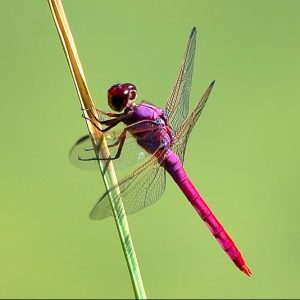
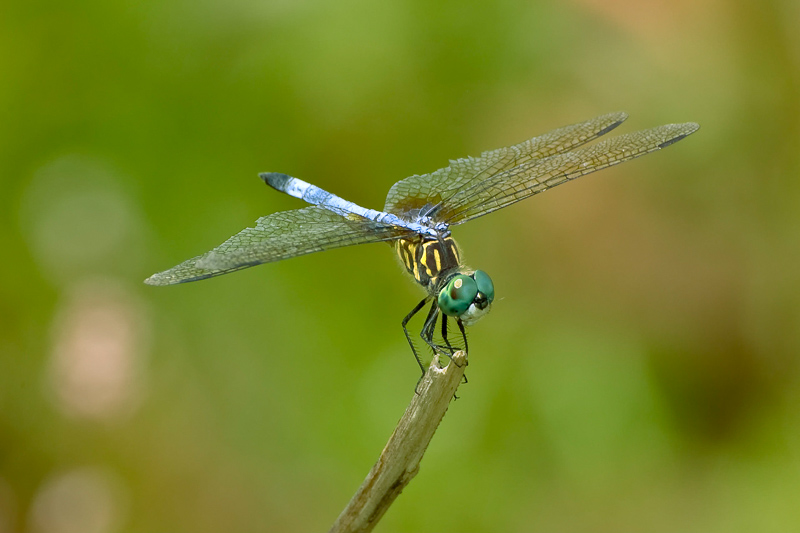
One of the fastest and most maneuverable of the world’s winged insects, the dragonfly uses a method of catching prey called “hawking” where the dragonfly forms a basket with its hairy legs, scooping and eating up to 300 flying mosquitos every day of...
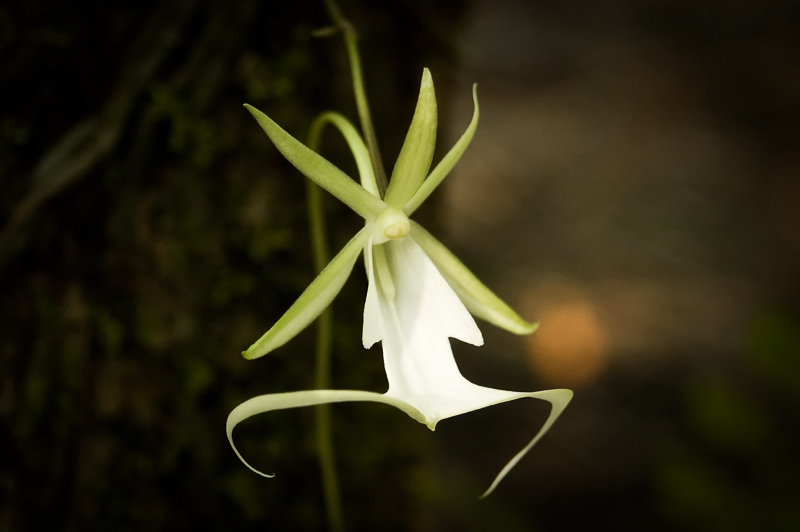
by Rich Leighton | Mar 30, 2018 | Florida Nature Facts, Florida Nature Photography, Natural History, Orchids
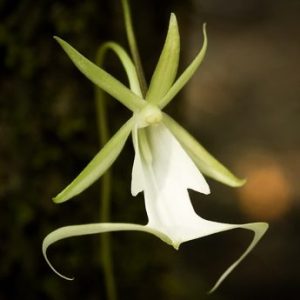
Probably the most famous of our southern native orchids, the rare, leafless and mysterious ghost orchid of South Florida, Cuba and the Bahamas is at home in the dark, humid swamps where it regularly skips a few to up to a dozen or more years between flowering. It is...
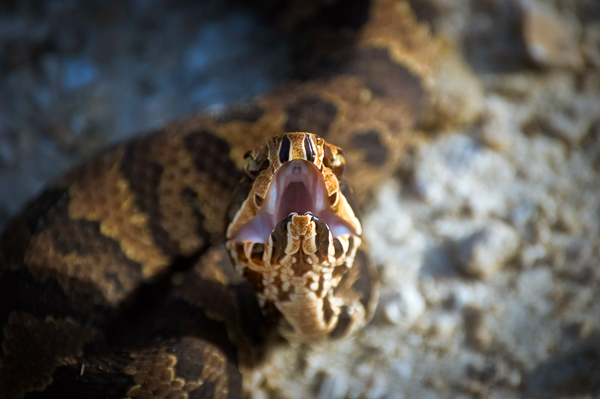
by Rich Leighton | Mar 25, 2018 | Florida Nature Facts, Florida Nature Photography, Herps, Natural History, Reptiles
The cottonmouth, also known as the water moccasin, is the only semiaquatic viper, usually found in or near water, particularly in slow-moving and shallow lakes, streams, and marshes. The snake is a strong swimmer and even enters the sea. It has successfully colonized...
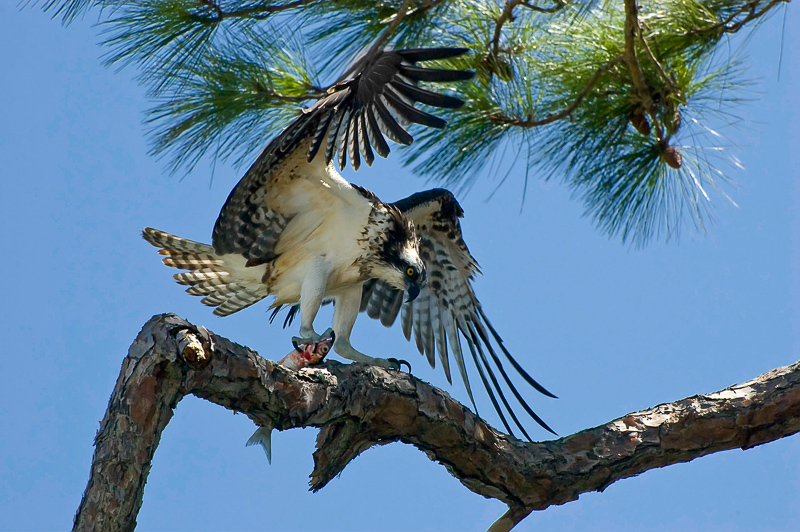
by Rich Leighton | Mar 20, 2018 | Birds, Florida Nature Facts, Florida Nature Photography, Natural History
The only raptor in North America that dives into the water after fish, the osprey is the sole bird of prey to feed only on fish. Weighing only 3 pounds, this strong flyer with a 6 foot wingspan can carry a trout of 2 or 3 pounds. The osprey’s only natural enemy,...
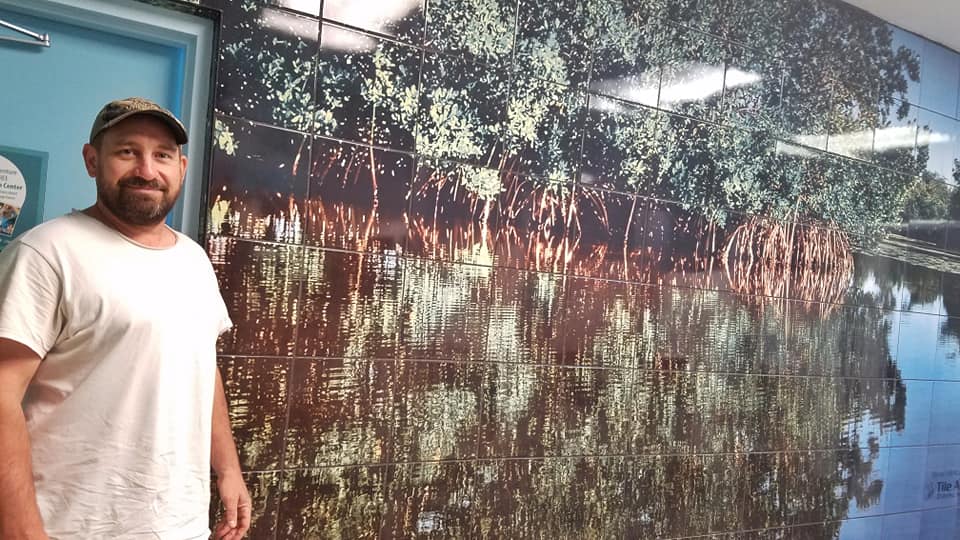
by Rich Leighton | Oct 25, 2017 | Florida Nature Photography, News, Published Work
This is a post I’m really proud of. Earlier this year, I was contacted by the “Ding” Darling Wildlife Society on Florida’s Sanibel Island about the possibility of one of my images being used for an installation at the J. N. “Ding” Darling...

Recent Comments