
by Rich Leighton | May 24, 2018 | Florida Nature Facts, Florida Nature Photography, Mammals, Photography
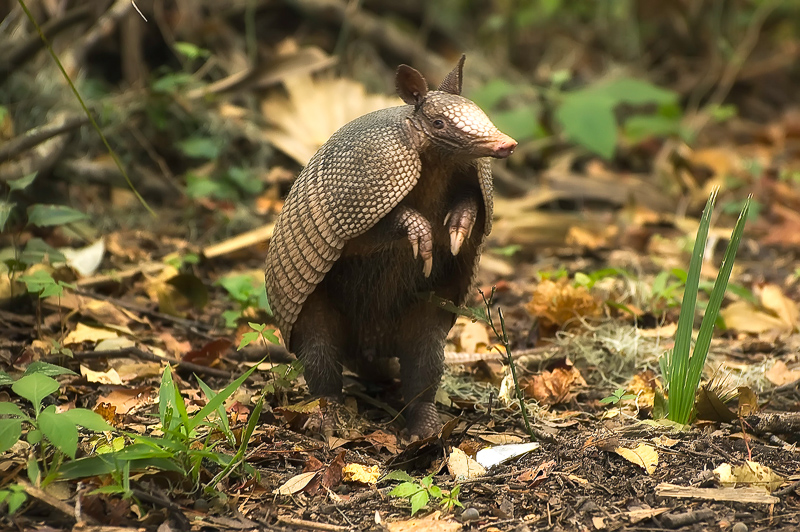
Only the South American three-banded armadillos (Tolypeutes) rely heavily on their armor for protection. When threatened by a predator, Tolypeutes species frequently roll up into a ball. Other armadillo species cannot roll up because they have too many plates. The...
by Rich Leighton | May 9, 2018 | Birds, Florida Nature Facts, Florida Nature Photography
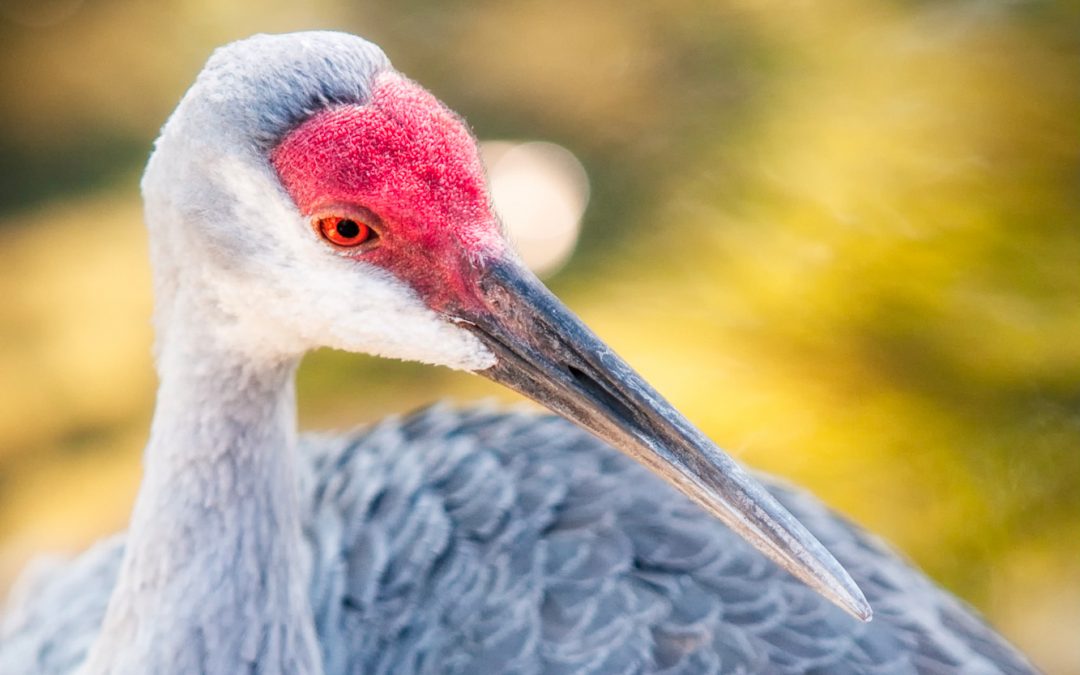
Sandhill cranes mate for life, and have one brood a year. Chicks are able to leave the nest 8 hours after hatching, and stay with their parents for 9-10 months including migration. MORE PHOTOS OF CRANES & LIMPKINS MORE FLORIDA NATURE FACTS Florida Nature Facts is...
by Rich Leighton | Apr 29, 2018 | Birds, Florida Nature Facts, Florida Nature Photography, Natural History
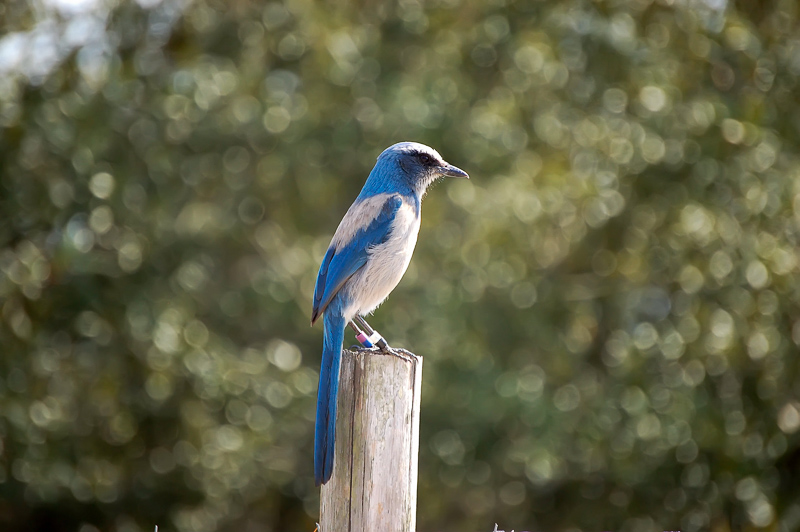
Corvids are among the world’s smartest birds. These include ravens, crows, jays and magpies. In fact, the American crow can not only recognize and remember a human’s face, but can teach other crows to recognize a specific person they haven’t seen...
by Rich Leighton | Apr 24, 2018 | Florida Nature Facts, Florida Nature Photography, Herps, Natural History, Reptiles
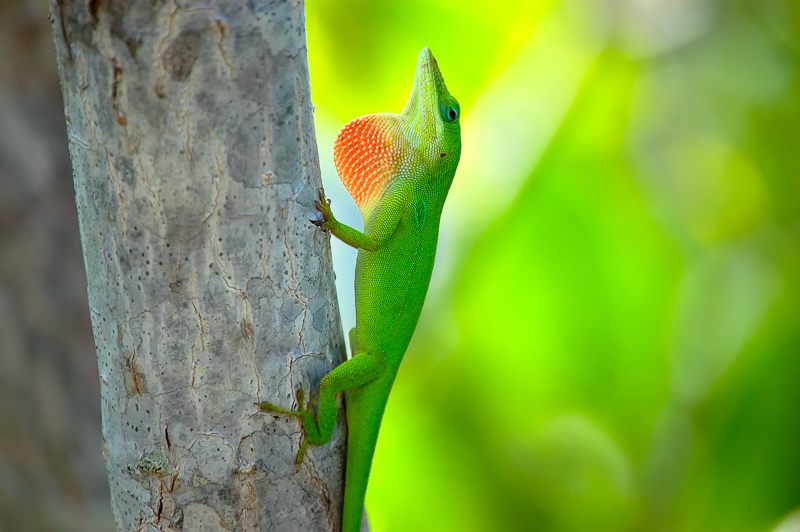
The green anole is a common lizard in the American Southeast, slender in build, with a narrow head and a long, slender tail that can be twice as long as the rest of the animal. Color can vary from gray-brown, to brown, to bright green. Each animal can change its color...
by Rich Leighton | Apr 19, 2018 | Florida Nature Facts, Florida Nature Photography, Natural History, Wildflowers
The American lotus has extraordinarily large and beautiful pale yellow native aquatic wildflower has two amazing characteristics: one – the large circular lily pads (leaves) do not get wet on top, and water forms beads on top if splashed or rained on, but even...







Recent Comments