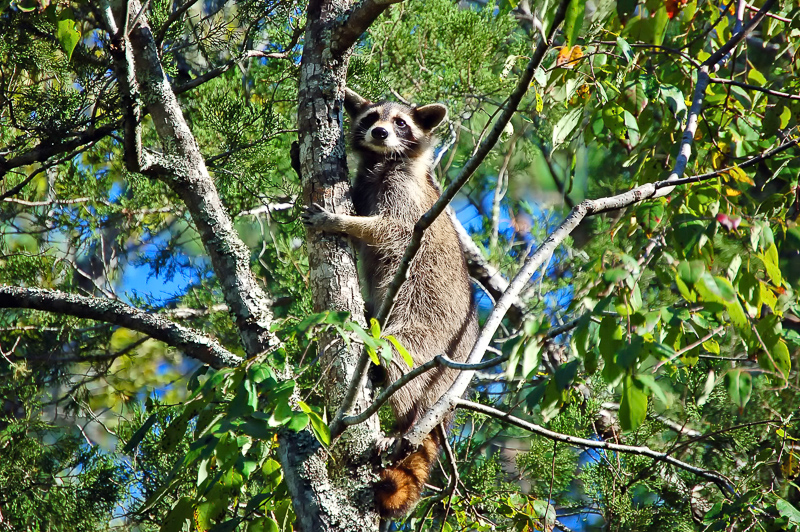
by Rich Leighton | Oct 16, 2018 | Florida Nature Facts, Florida Nature Photography, Mammals, Natural History, Nature & Wildlife, Nature Photography
A raccoon can rotate its hind feet a full 180 degrees, giving it the ability to climb down from trees head first. MORE PHOTOS OF RACCOONS MORE FLORIDA NATURE FACTS Florida Nature Facts is a series about interesting facts about the flora, fauna and places that make...
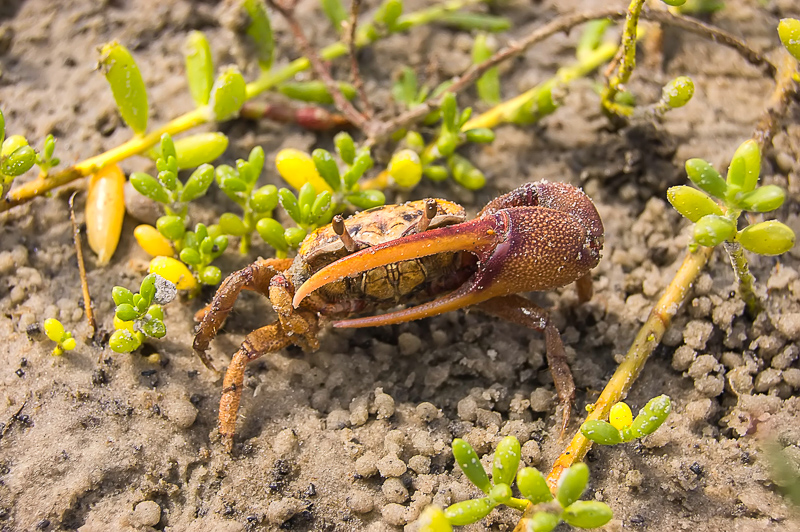
by Rich Leighton | Oct 6, 2018 | Florida Nature Facts, Florida Nature Photography, Invertebrates, Natural History, Nature & Wildlife, Nature Photography
Fiddler crabs are the most common crab in a salt marsh and they play an important role in the salt marsh community. They eat detritus (dead or decomposing plant and animal matter) and are themselves food for a number of wetland animals. In Spanish, the fiddler crab is...
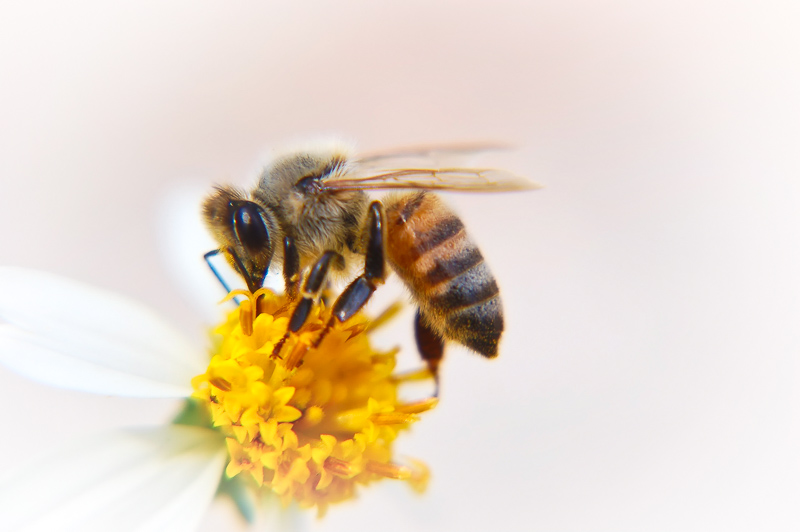
by Rich Leighton | Oct 1, 2018 | bees, Florida Nature Facts, Florida Nature Photography, Insects, Invertebrates, Natural History, Nature & Wildlife
Bees have two stomachs: one regular stomach and one stomach for storing nectar. When full, the bee doubles its weight. MORE PHOTOS OF INVERTEBRATES MORE FLORIDA NATURE FACTS Florida Nature Facts is a series about interesting facts about the flora, fauna and places...
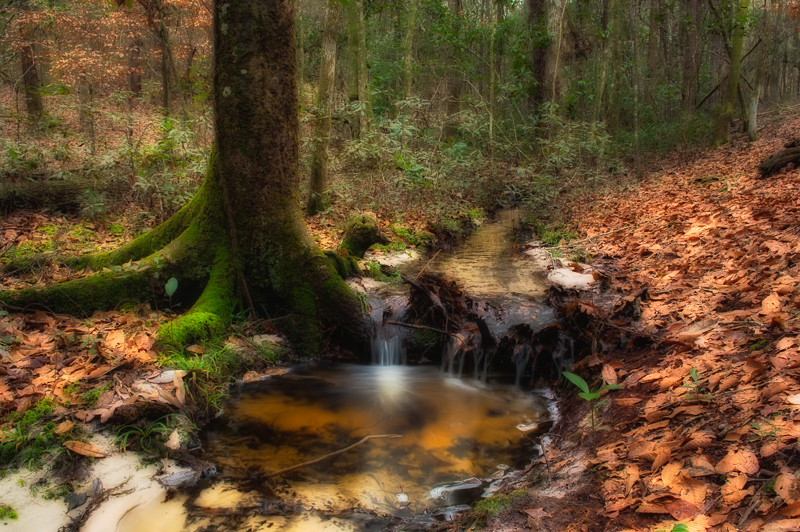
by Rich Leighton | Sep 21, 2018 | Florida, Florida Nature Facts, Florida Nature Photography, Landscape, Natural History, Nature & Wildlife, Trees
Sound fades in forests, making trees a popular natural noise barrier. The muffling effect is largely due to rustling leaves — plus other woodland white noise, like bird songs — and just a few well-placed trees can cut background sound by 5 to 10 decibels, or about 50...
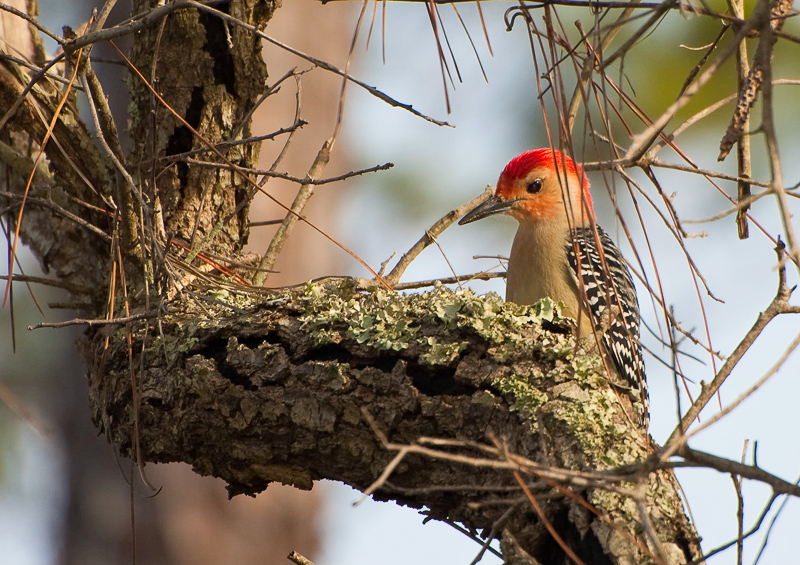
by Rich Leighton | Aug 12, 2018 | Birds, Florida Nature Facts, Florida Nature Photography, Natural History, Nature & Wildlife
With roughly 20 species of native woodpeckers and their sapsucker relatives found across North America, woodpeckers are nature’s loudest headbangers. Woodpeckers slam their beaks against wood with a force 1,000 times that of gravity. That’s 20 times more force...
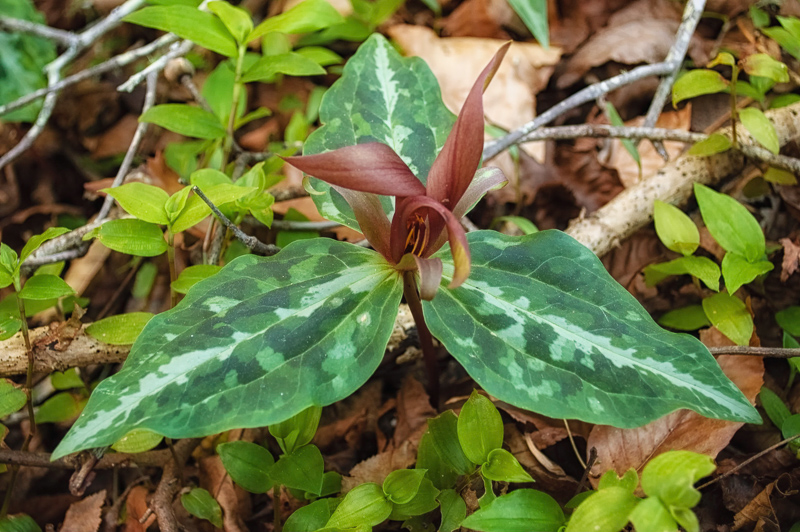
by Rich Leighton | Aug 2, 2018 | Florida Nature Facts, Florida Nature Photography, Melanthiaceae, Natural History, Nature & Wildlife, Wildflowers
Trilliums use ants for seed dispersal. Ants are attracted to the elaiosomes (external “food bodies”) on the seeds and collect them and transport them away from the parent plant. MORE PHOTOS OF TRILLIUMS MORE FLORIDA NATURE FACTS Florida Nature Facts is a...

Recent Comments