by Rich Leighton | Apr 9, 2019 | Birds, Florida Nature Facts, Florida Nature Photography, Natural History, Nature & Wildlife
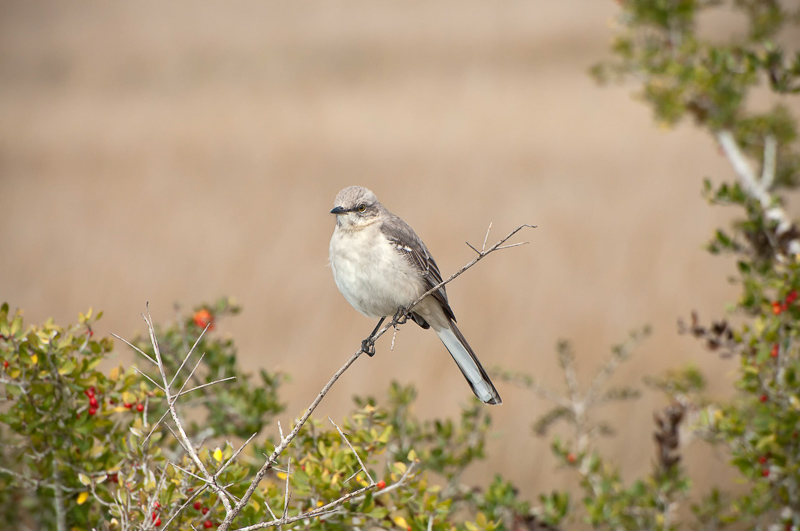
Northern Mockingbirds sing all through the day, and often into the night. Most nocturnal singers are unmated males, which sing more than mated males during the day, too. Nighttime singing is more common during the full moon. MORE PHOTOS OF BIRDS MORE FLORIDA NATURE...
by Rich Leighton | Mar 25, 2019 | Birds, Florida Nature Facts, Florida Nature Photography, Natural History, Nature & Wildlife
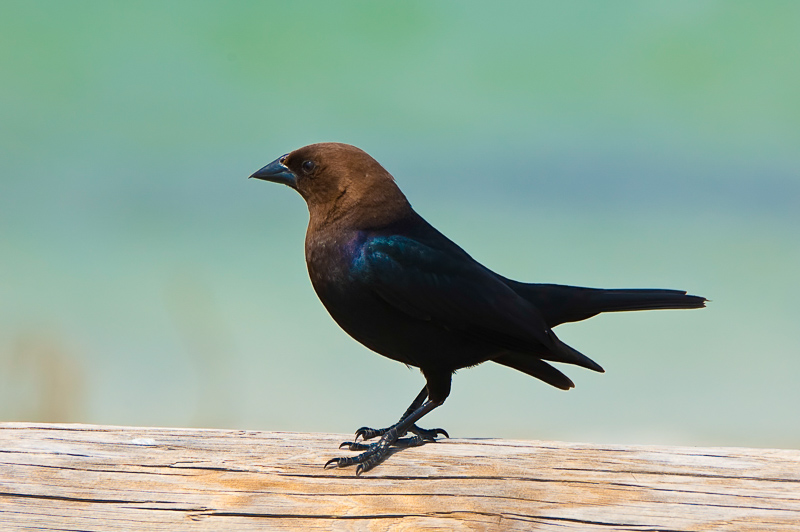
Brown-headed cowbirds are nest parasites and use red-winged blackbirds as a host to raise their young. These cowbirds will puncture one of the blackbird’s eggs and lay their own egg in the nest. The cowbird egg is then hatched and taken care of along side the...
by Rich Leighton | Mar 5, 2019 | Birds, Florida Nature Facts, Florida Nature Photography, Natural History, Nature & Wildlife
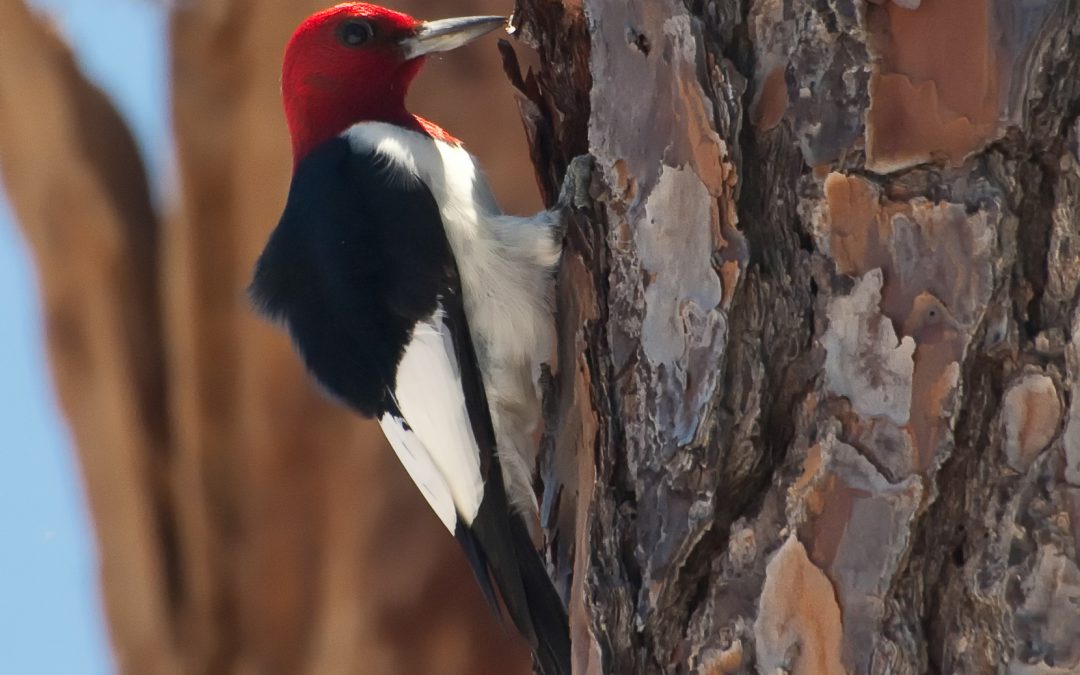
Woodpeckers have zygodactyl feet with four toes, the first and fourth facing backward and the second and third facing forward. This helps them grasp branches and tree trunks and enables them to walk vertically up a tree. MORE PHOTOS OF BIRDS MORE FLORIDA NATURE FACTS...
by Rich Leighton | Feb 18, 2019 | Florida Nature Facts, Florida Nature Photography, Mammals, Natural History, Nature & Wildlife
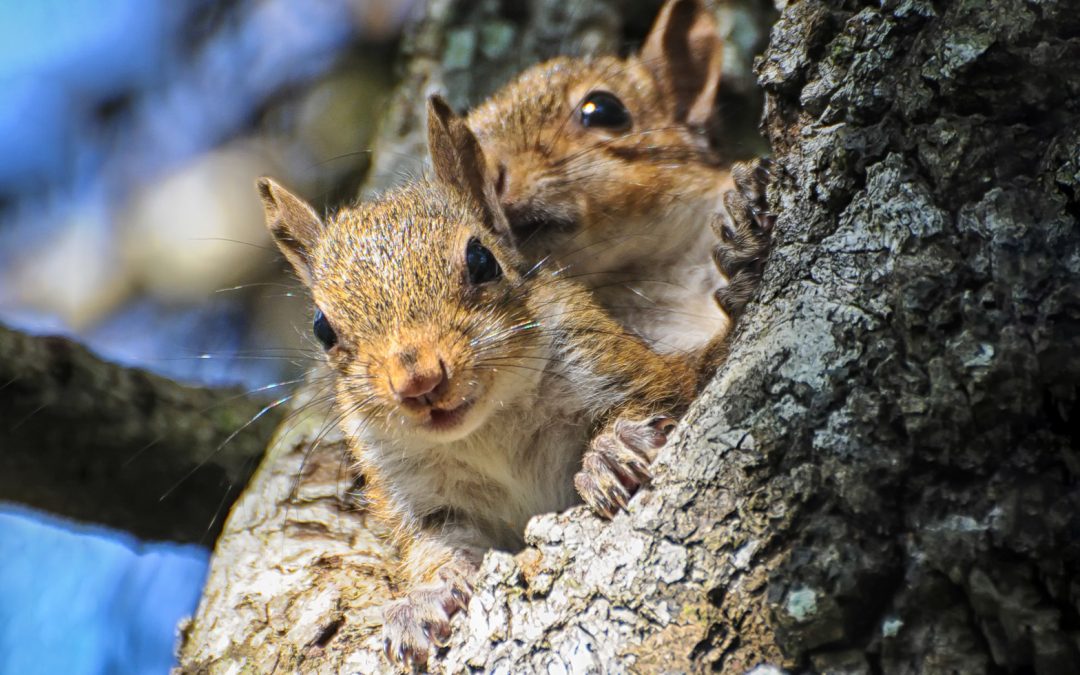
Next time you are in a forest or thick woods, you may want to thank your local squirrels. Millions of trees are accidentally planted each year by squirrels that bury seeds, nuts and acorns and then forget where they hid them or get eaten before they can retrieve them....
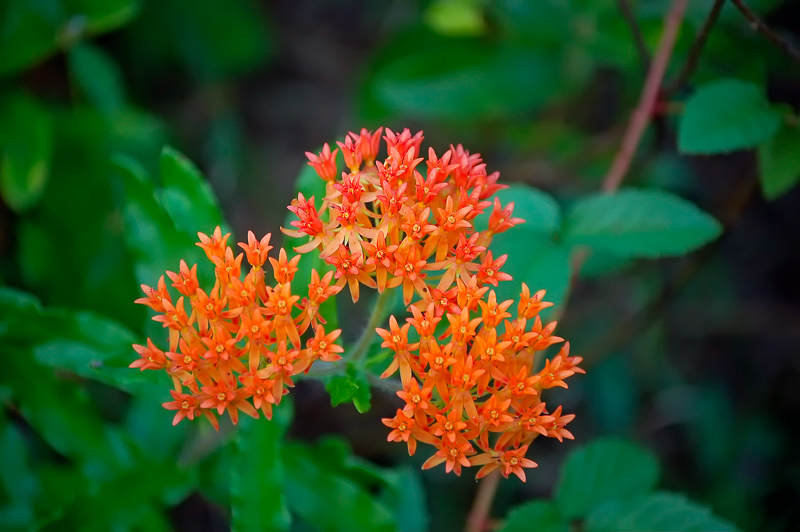
by Rich Leighton | Jan 4, 2019 | Florida Nature Facts, Florida Nature Photography, Natural History, Nature & Wildlife, Nature Photography, Wildflowers
Milkweed is named for its milky sap. Some species are toxic. Monarch butterflies lay eggs on milkweed. To limit the damage by caterpillars, milkweed uses hairs on the leaves, latex and toxins in the sap. MORE PHOTOS OF WILDFLOWERS MORE FLORIDA NATURE FACTS Florida...



Recent Comments