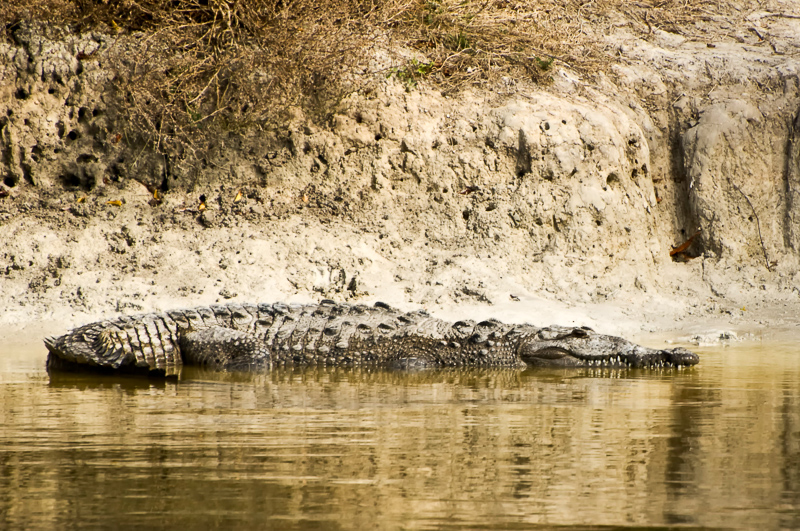
by Rich Leighton | Oct 13, 2019 | Florida Nature Facts, Florida Nature Photography, Natural History, Nature & Wildlife, Reptiles
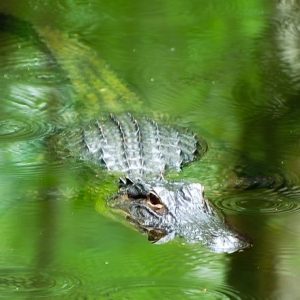
In the United States, the American crocodile can be found in southern Florida; chiefly in the Everglades National Park, Biscayne Bay, Florida Bay, and the Florida Keys from Miami southward. No one knows exactly how large the population is and estimations vary from 500...
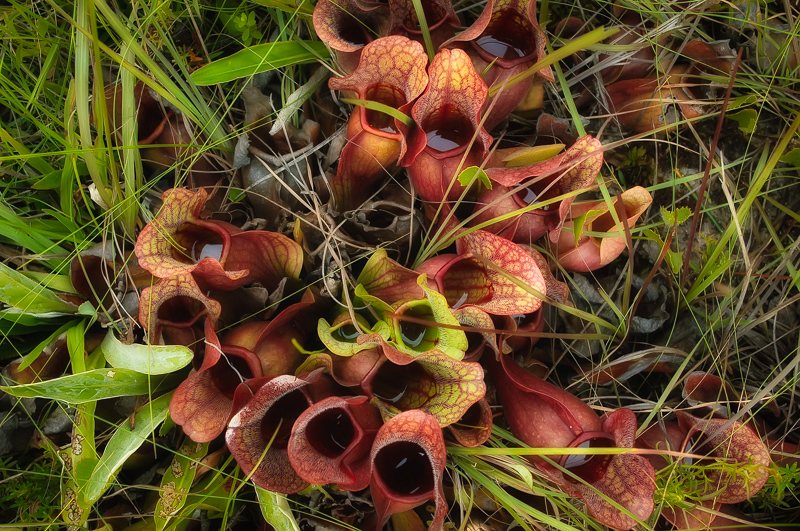
by Rich Leighton | Sep 20, 2019 | Carnivorous Plants, Florida Nature Facts, Florida Nature Photography, Natural History, Nature & Wildlife
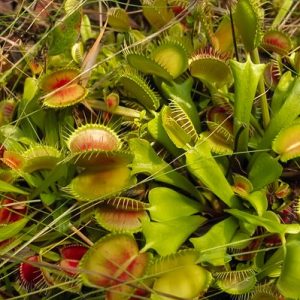
The 600 or so carnivorous species on the planet today thrive in places where other plants struggle, including bogs and heaths. The adaptation of trapping and digesting prey has arisen at least nine times in different plant families in response to soil lacking the...
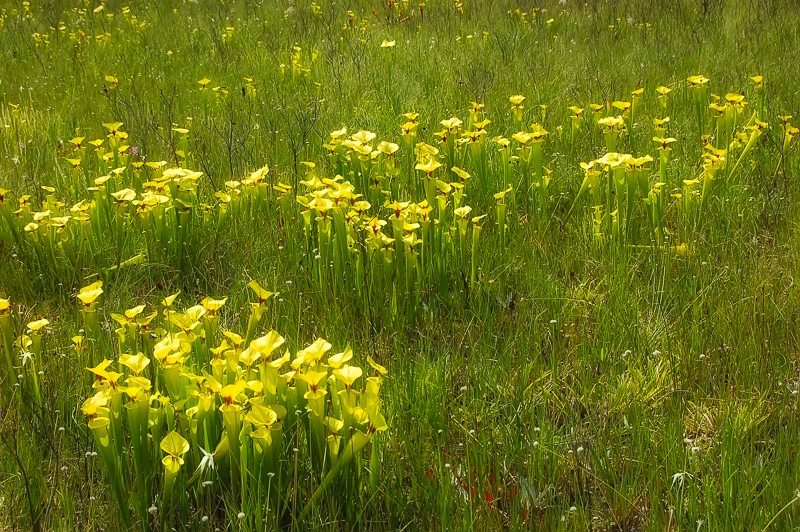
by Rich Leighton | Sep 15, 2019 | Carnivorous Plants, Florida Nature Facts, Florida Nature Photography, Natural History, Nature & Wildlife
Pitcher plants are shaped like a pitcher or narrow champagne glass. The top and inside of the pitcher is covered with a slippery, but sweet-smelling nectar. When insects come to take a sip, they slip and fall into the pitcher which is typically filled with water and...
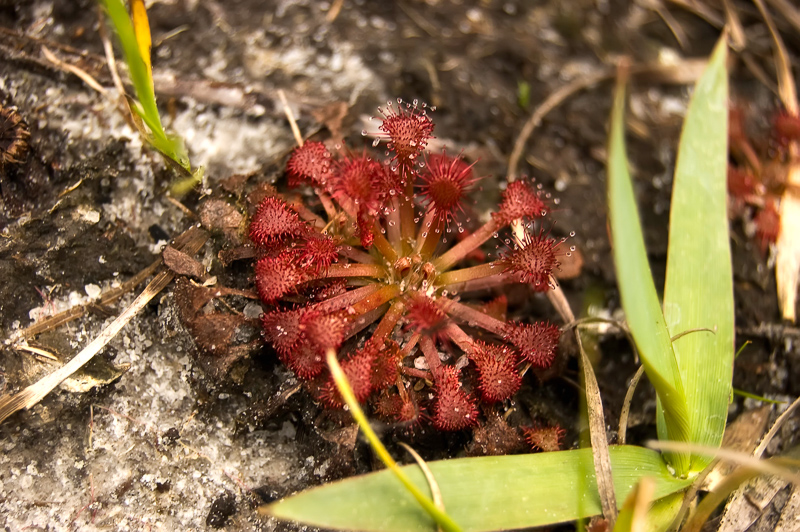
by Rich Leighton | Sep 10, 2019 | Carnivorous Plants, Florida Nature Facts, Florida Nature Photography, Natural History, Nature & Wildlife
Often described as “living flypaper”, the sundew has tentacle-like leaves which are covered in sticky, glandular hairs. The plant’s tacky secretion gives off a sweet scent, which attracts insects. Once an insect is stuck to its leaf, the sundew will curl...
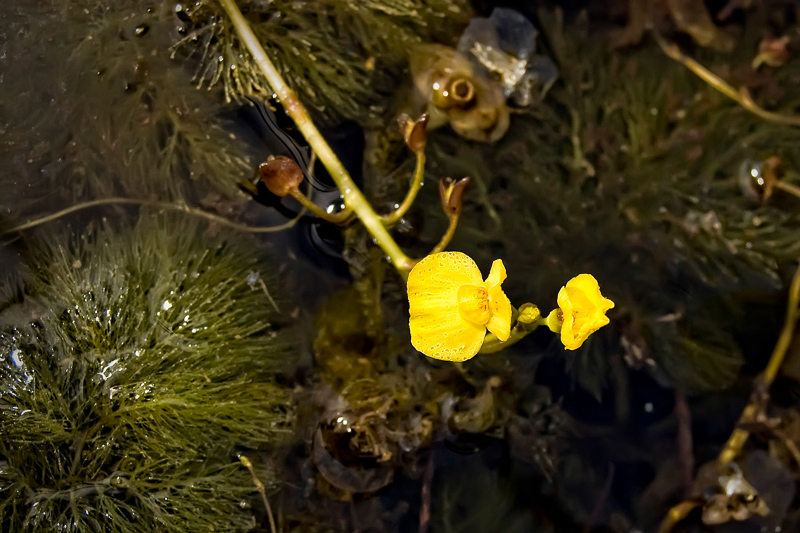
by Rich Leighton | Aug 29, 2019 | Carnivorous Plants, Florida Nature Facts, Florida Nature Photography, Nature & Wildlife
Mostly found living in lakes and rivers, the carnivorous bladderwort has a floating stem with tiny sack-like traps growing along it. These traps, or ‘bladders’, have clever door-like valves that open and shut within thousandths of a second when triggered. The...




Recent Comments