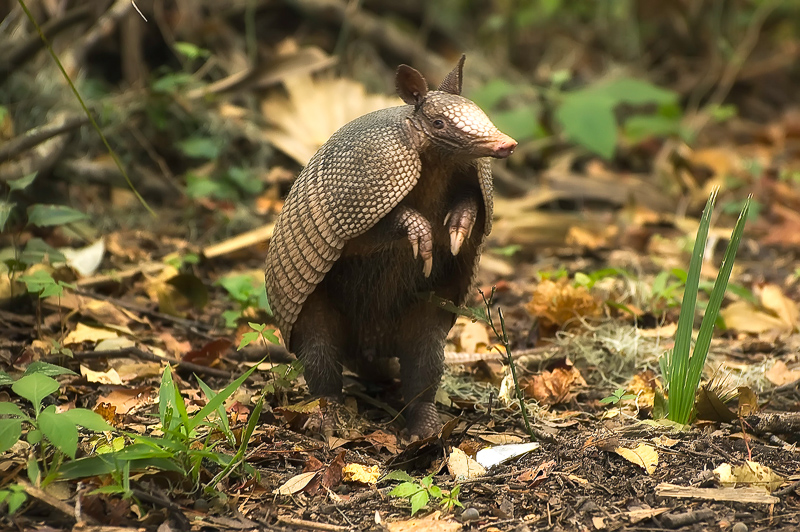
by Rich Leighton | May 24, 2018 | Florida Nature Facts, Florida Nature Photography, Mammals, Photography
Only the South American three-banded armadillos (Tolypeutes) rely heavily on their armor for protection. When threatened by a predator, Tolypeutes species frequently roll up into a ball. Other armadillo species cannot roll up because they have too many plates. The...
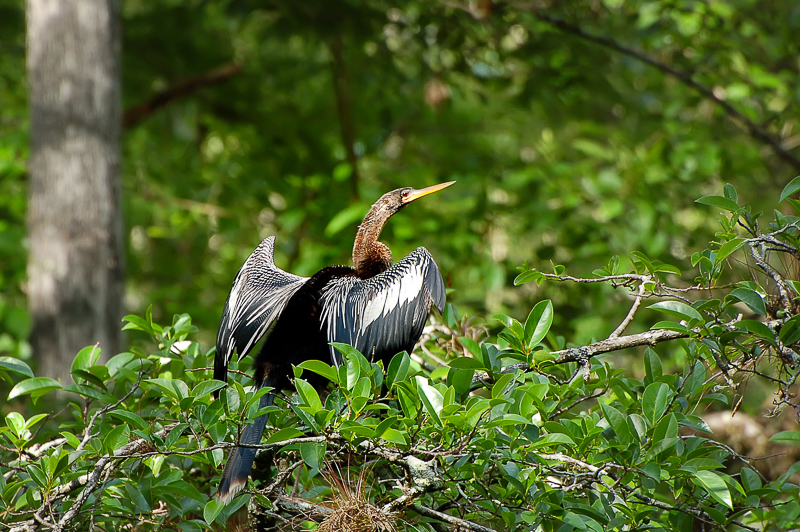
by Rich Leighton | May 14, 2018 | Birds, Florida, Florida Nature Facts, Florida Nature Photography, Natural History, Nature & Wildlife
The anhinga is barely buoyant with dense bones and non-waterproof feathers, but because of this it can stay underwater more easily and hunt for longer periods of time. Afterwards it will stand with spread wings to dry its feathers. MORE PHOTOS OF ANHINGAS MORE FLORIDA...
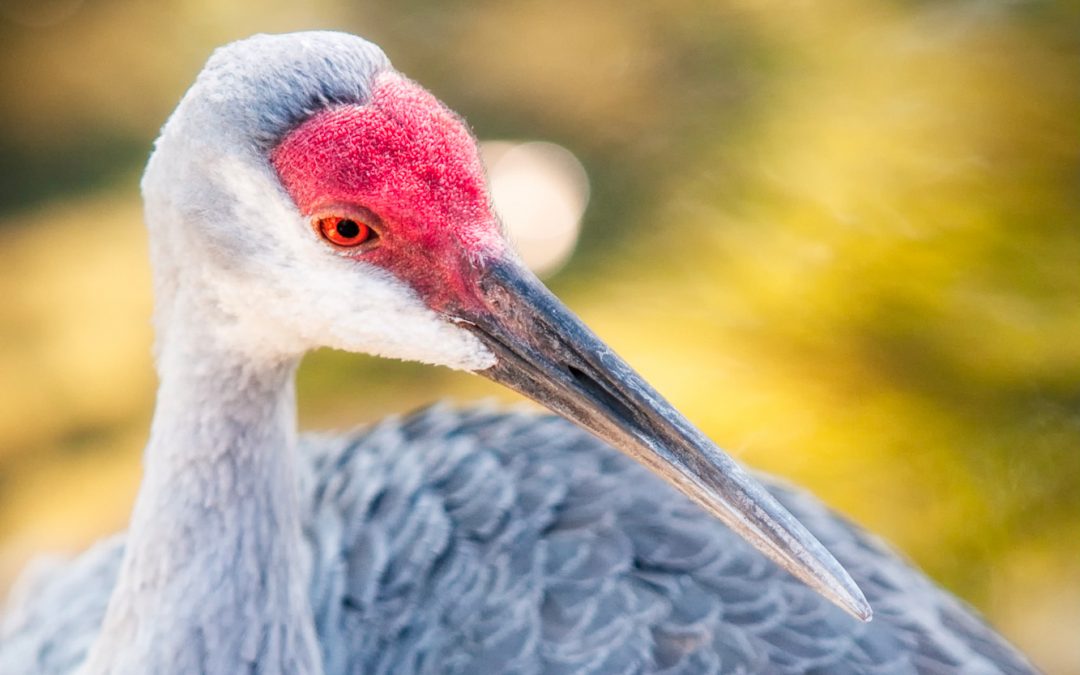
by Rich Leighton | May 9, 2018 | Birds, Florida Nature Facts, Florida Nature Photography
Sandhill cranes mate for life, and have one brood a year. Chicks are able to leave the nest 8 hours after hatching, and stay with their parents for 9-10 months including migration. MORE PHOTOS OF CRANES & LIMPKINS MORE FLORIDA NATURE FACTS Florida Nature Facts is...

by Rich Leighton | Apr 19, 2018 | Florida Nature Facts, Florida Nature Photography, Natural History, Wildflowers
The American lotus has extraordinarily large and beautiful pale yellow native aquatic wildflower has two amazing characteristics: one – the large circular lily pads (leaves) do not get wet on top, and water forms beads on top if splashed or rained on, but even...
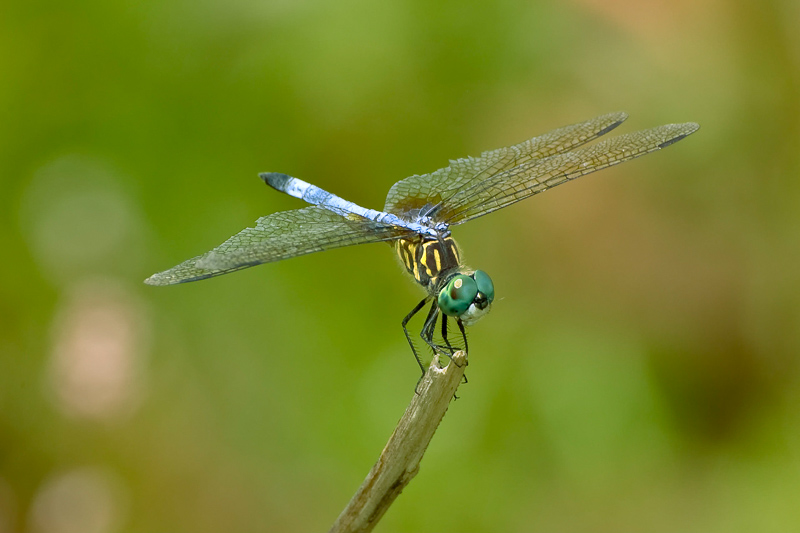
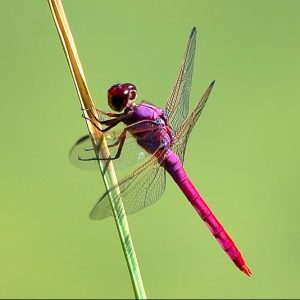
by Rich Leighton | Apr 9, 2018 | Dragonflies, Florida Nature Facts, Florida Nature Photography, Invertebrates, Natural History
One of the fastest and most maneuverable of the world’s winged insects, the dragonfly uses a method of catching prey called “hawking” where the dragonfly forms a basket with its hairy legs, scooping and eating up to 300 flying mosquitos every day of...






Recent Comments