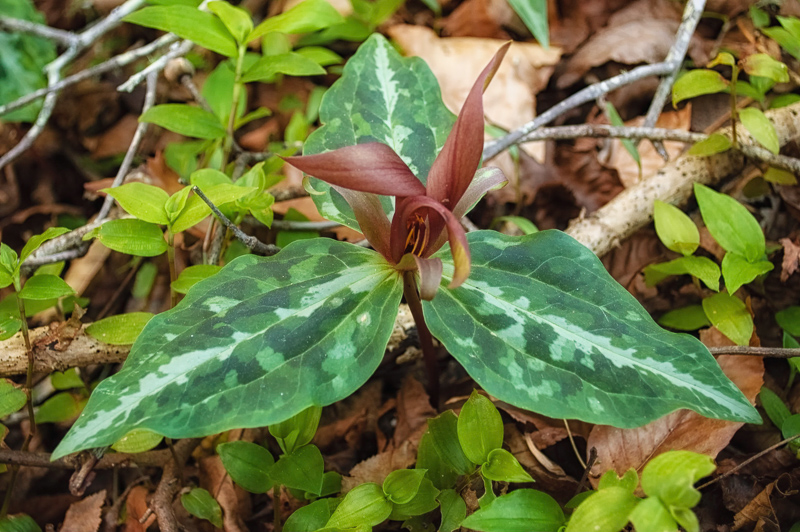
by Rich Leighton | Aug 2, 2018 | Florida Nature Facts, Florida Nature Photography, Melanthiaceae, Natural History, Nature & Wildlife, Wildflowers
Trilliums use ants for seed dispersal. Ants are attracted to the elaiosomes (external “food bodies”) on the seeds and collect them and transport them away from the parent plant. MORE PHOTOS OF TRILLIUMS MORE FLORIDA NATURE FACTS Florida Nature Facts is a...
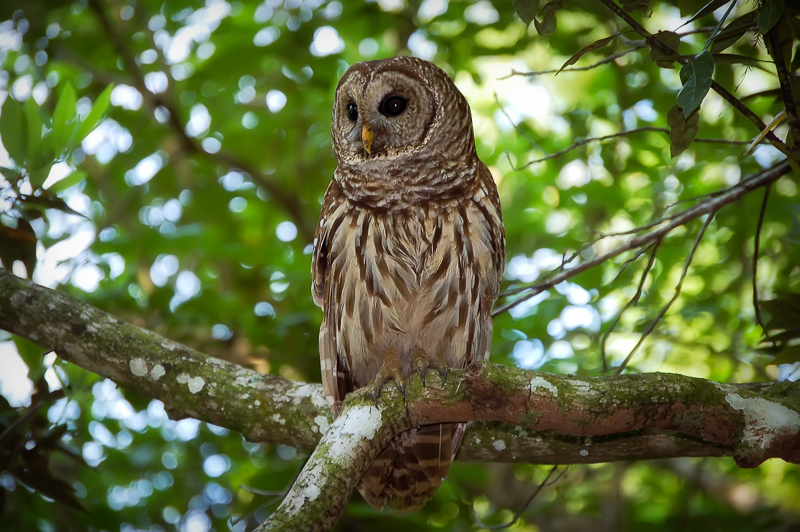
by Rich Leighton | Jul 28, 2018 | Birds, Florida Nature Facts, Florida Nature Photography, Natural History, Nature & Wildlife
Owls don’t have eyeballs. Rather, they’re more like eye tubes. They’re elongated and held in place by “sclerotic rings,” a bony structure in the skull. Because of this, owls can’t really move or roll their eyes. That’s why...
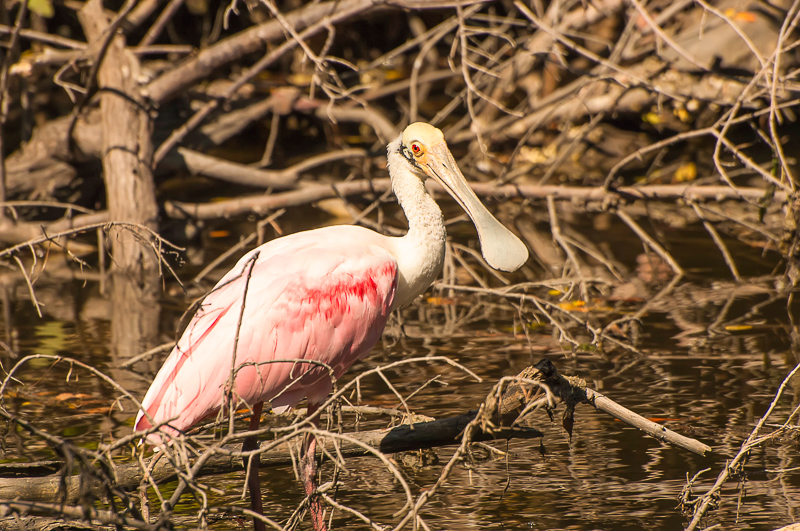
by Rich Leighton | Jul 23, 2018 | Birds, Florida, Florida Nature Facts, Florida Nature Photography, Natural History, Nature & Wildlife
The roseate spoonbill is a beautifully plumed wading bird with a long bill shaped like a spatula. They were almost driven to extinction by plume hunters at the turn of the century. Still rare, but recovering, they can be seen wading in coastal areas. MORE PHOTOS OF...
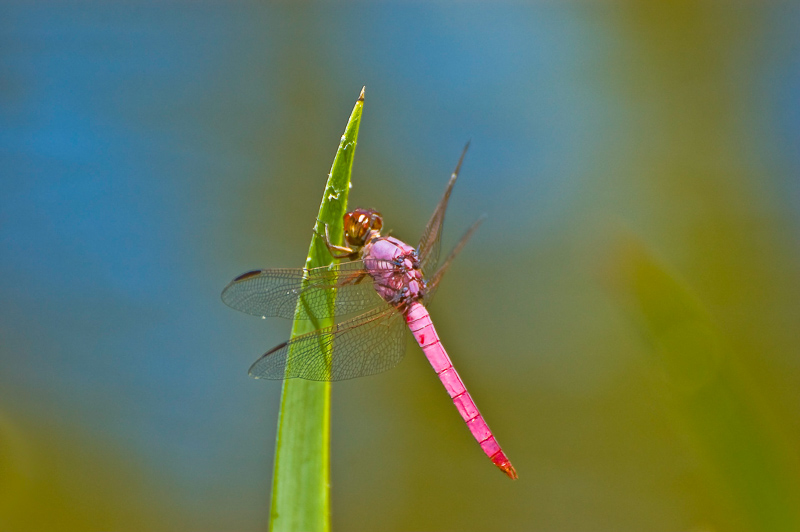
by Rich Leighton | Jun 3, 2018 | Florida Nature Facts, Florida Nature Photography, Insects, Invertebrates, Natural History, Nature & Wildlife
For every human there are 200 million insects, and there are more insects in the world than all other the animals combined. MORE PHOTOS OF INVERTEBRATES MORE FLORIDA NATURE FACTS Florida Nature Facts is a series about interesting facts about the flora, fauna and...
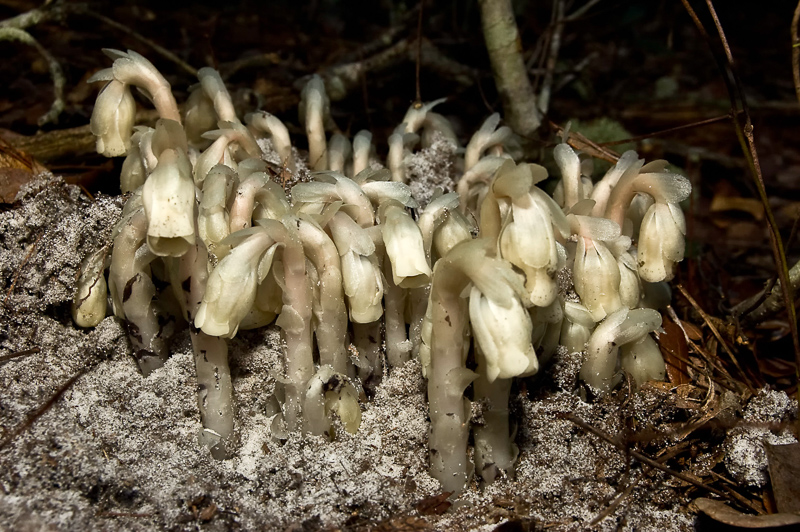
by Rich Leighton | May 29, 2018 | Florida Nature Facts, Florida Nature Photography, Natural History, Nature & Wildlife, Nature Photography
Often mistaken for orchids or “weird mushrooms,” Indian pipes are actually plants in the heath family. Lacking chlorophyll and a means to produce their own food like most plants, they form a symbiotic relationship with mycorrhizal fungi in the soil that helps them...

Recent Comments