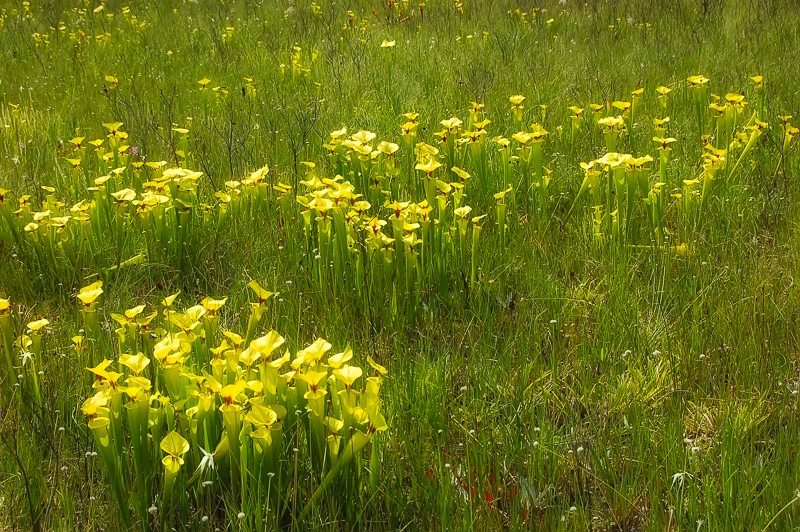
by Rich Leighton | Sep 15, 2019 | Carnivorous Plants, Florida Nature Facts, Florida Nature Photography, Natural History, Nature & Wildlife
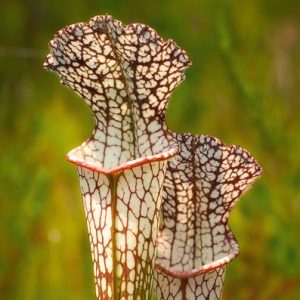
Pitcher plants are shaped like a pitcher or narrow champagne glass. The top and inside of the pitcher is covered with a slippery, but sweet-smelling nectar. When insects come to take a sip, they slip and fall into the pitcher which is typically filled with water and...
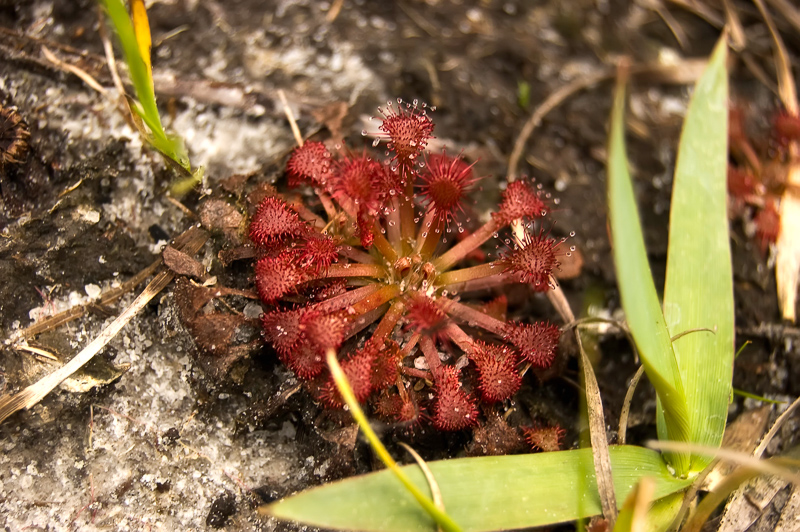
by Rich Leighton | Sep 10, 2019 | Carnivorous Plants, Florida Nature Facts, Florida Nature Photography, Natural History, Nature & Wildlife
Often described as “living flypaper”, the sundew has tentacle-like leaves which are covered in sticky, glandular hairs. The plant’s tacky secretion gives off a sweet scent, which attracts insects. Once an insect is stuck to its leaf, the sundew will curl...
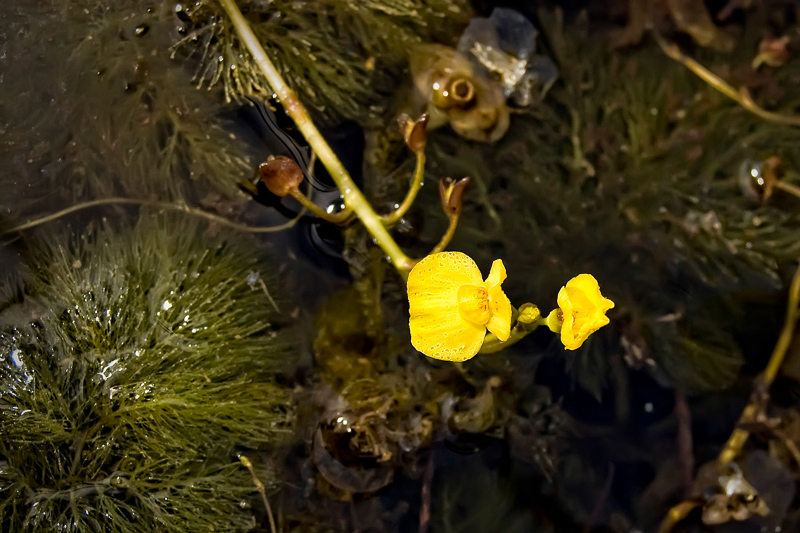
by Rich Leighton | Aug 29, 2019 | Carnivorous Plants, Florida Nature Facts, Florida Nature Photography, Nature & Wildlife
Mostly found living in lakes and rivers, the carnivorous bladderwort has a floating stem with tiny sack-like traps growing along it. These traps, or ‘bladders’, have clever door-like valves that open and shut within thousandths of a second when triggered. The...
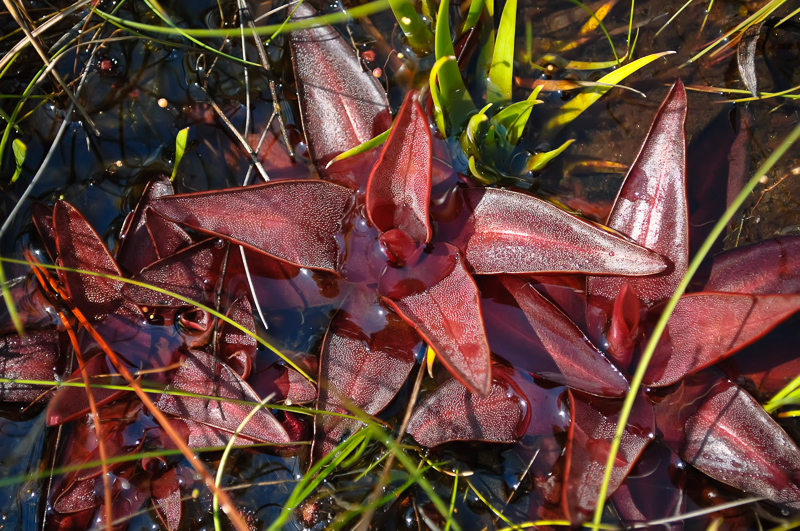
by Rich Leighton | Aug 24, 2019 | Carnivorous Plants, Florida Nature Facts, Florida Nature Photography, Nature & Wildlife
Butterworts have flat, sticky leaves that function like a cross between flypaper and a stomach. When insects land on a butterwort’s leaves, they get stuck in goo that’s excreted by sticky glands. The plant releases digestive enzymes and absorbs those tasty bug...
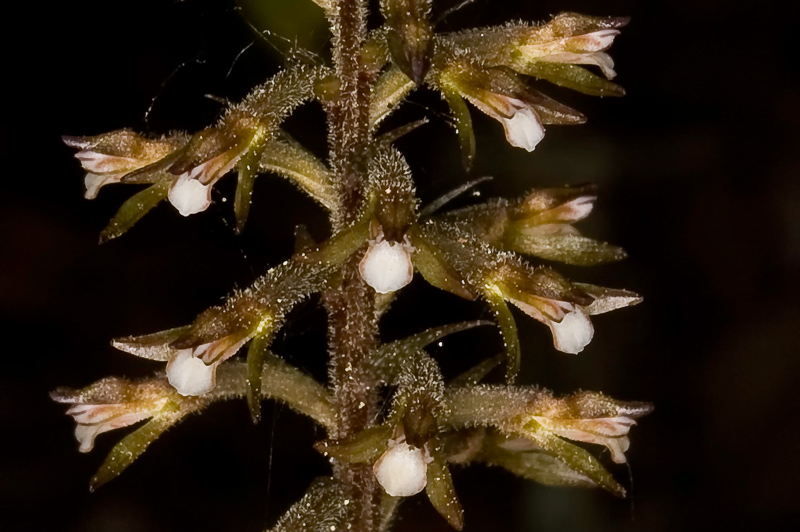
by Rich Leighton | Aug 4, 2019 | Florida Nature Facts, Florida Nature Photography, Natural History, Nature & Wildlife, Orchids
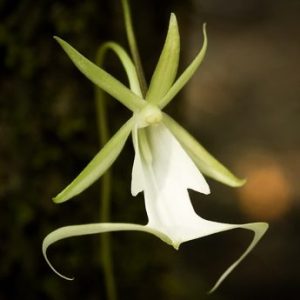
Our native orchids have a symbiotic relationship with certain fungi called a mycorrhizal association. The fungus provides nutrients to the orchid plant, and the orchid is a home to the fungus. Orchid seeds are so tiny they do not have enough food to nourish a...




Recent Comments